


Complete Garden Care Guide for Healthy and Organic Plant
Proper garden care involves more than just watering. it includes soil improvement, weed control, compost management, plant feeding, fertilising, and effective pest control.
Whether you grow vegetables, herbs or flowers, a planned garden care routine promotes healthy plants and improves productivity in a natural way.
These tips show how to manage your garden efficiently using organic products, compost, natural fertilisers, and weekend routines.
u003cstrongu003eGarden Care Basics: Healthy and Sustainable Gardeningu003c/strongu003e
Good garden care starts with understanding what plants need: sunlight, water, nutrients, and protection. Healthy soil is the foundation of any successful garden. Without nutrient-rich soil, plants cannot grow strong roots or produce quality fruits and flowers
A sustainable garden care strategy focuses on several key elements:
- Maintaining healthy soil
- Preventing weeds naturally
- Providing balanced plant nutrition
- Using organic fertilisers
- Controlling pests with natural methods
Together, these elements create a more productive, resilient garden with better protection against diseases.
Soil composition and essential care tips for healthy plants
Soil is a living ecosystem composed of :
- physical components (clay, sand, silt),
- chemical nutrients
- biological organisms (earthworms, bacteria),and essential mineral elements that support healthy plant growth.
- Major nutrients—nitrogen (N), phosphorus (P), potassium (K), magnesium (Mg), calcium (Ca), and sulfur (S)—are required in larger amounts
- minor elements such as iron (Fe), copper (Cu), manganese (Mn), boron (B), molybdenum (Mo), zinc (Zn), and chlorine (Cl) are needed in smaller but essential quantities.
Weed Control in Garden Care
Weed control is an essential part of caring for a healthy garden. weeds compete with your plants for vital nutrients, water, and sunlight, and if ignored, can stunt growth and lower the quality of your harvest.
Effective Ways to Control Weeds:
- Pulling weeds by hand, ideally after rainfall
- Applying mulch, such as straw or dry leaves
- Using landscape fabric as a barrier
- Employing natural organic weed treatments
Mulching is particularly beneficial, as it blocks sunlight from reaching weed seeds while helping retain soil moisture. Regular attention on weekends keeps weeds under control and your garden clean, productive, and thriving.
Compost: The Foundation of Healthy Soil
Compost is a cornerstone of organic garden care and the foundation of healthy, fertile soil. It enriches the soil naturally, improves its structure, and supports long-term plant growth without the need for chemical fertilisers.
Benefits of Compost for Garden Soil
- Naturally improves soil fertility
- Enhances water retention and improves soil texture
- Promotes beneficial microorganisms
- Reduces dependence on synthetic fertilisers
You can easily create nutrient-rich compost using simple organic materials such as vegetable scraps, fruit peels, coffee grounds, dry leaves, and grass clippings, helping your garden thrive naturally.
For best results, combine green materials (nitrogen-rich) with brown materials (carbon-rich) to make a balanced compost mix. Regular compost application strengthens soil health and boosts plant productivity.
How to use an Organic Fertiliser Fermentater
Fermented organic fertiliser is an effective way to provide fast-acting nutrients to plants while improving soil biology.
- Collect plant residues, fresh weeds, and kitchen organic waste.
- Place the materials in a sealed bucket or container
- Add water until the the combination is fully covered.
- Let it ferment for 1–2 weeks, Stir the mixture every few days.
- Filter the liquid and dilute it with water at a 1:10 ratio before applying it to your plants
This organic fermented fertiliser delivers essential nutrients to your garden while boosting beneficial soil microorganisms, improving soil health, and promoting faster, stronger plant growth naturally.
u003cstrongu003eWhere to Reserve a Compost Area in Your Gardenu003c/strongu003e
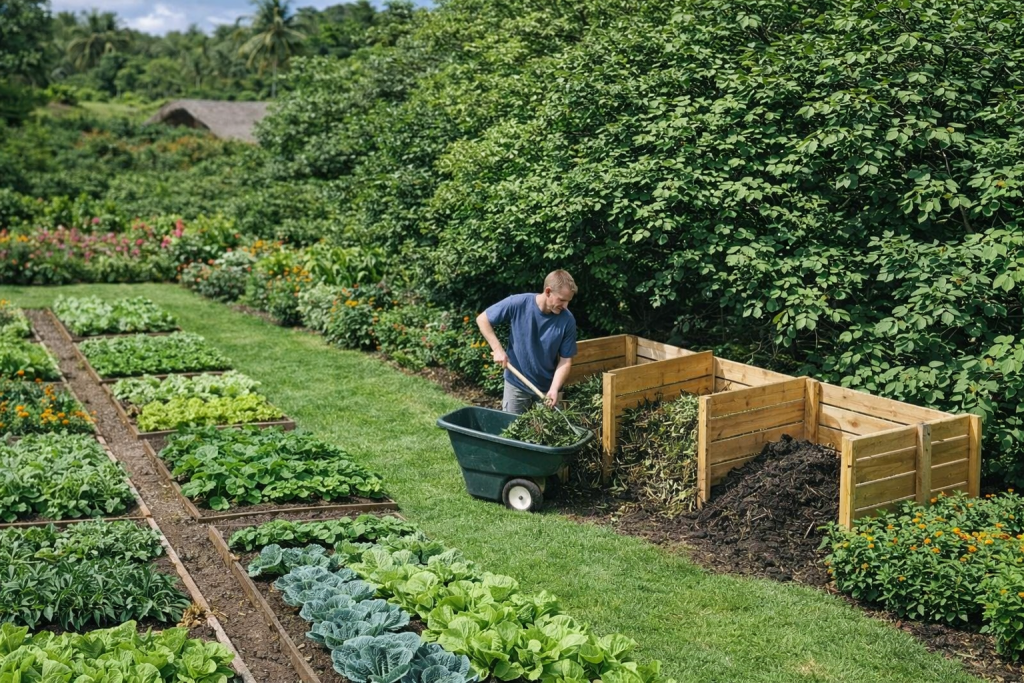
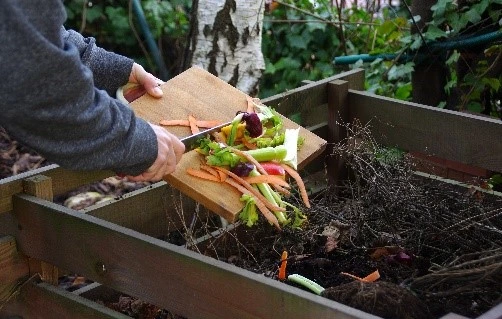
For effective organic garden care, reserve a dedicated composting area in a shaded, well-drained corner of your garden. This area allow continuous recycling of organic waste and simplifies the production of compost and fermented fertiliser. Maintaining a local compost area ensures a sustainable nutrient cycle and supports a healthier, more productive garden ecosystem.
Proper Plant Feeding: How to Promote Healthy Growth
Feeding your plants correctly is essential for strong growth. Over time, soil nutrients naturally decrease, especially in vegetable gardens, making fertilisation a crucial part of professional garden care.
Essential Nutrients for Plants
- Nitrogen (N): Supports leafy growth and vibrant foliage
- Phosphorus (P): Encourages strong root development
- Potassium (K): Enhances overall plant strength and resilience
Organic Fertiliser Options
- Compost – enriches soil naturally
- Aged manure – provides balanced nutrients
- Bone meal – boosts phosphorus for root growth
- Fish emulsion – quick-acting nitrogen source
- Seaweed extract – improves plant immunity and soil health
Using organic fertilisers not only nourishes plants but also enhances sustained soil health, promoting sustainable gardening practices. Avoid over-fertilising, as excessive nutrients can damage roots and reduce plant productivity.
Organic Gardening Products for Sustainable Garden Care
Using organic gardening products is safer for your family, pets, and pollinators. Sustainable garden care prevents the use of harmful chemicals and supports biodiversity.
Popular organic solutions include:
- Neem oil spray – a powerful insecticide and fungicide widely used in orchards and vegetable gardens. When diluted in water, it protects plants from many pests and diseases.
- Garlic spray
- Soap-based insecticides
- Companion planting (basil, marigold)
These natural methods boost plant resistance while maintaining ecological balance and supporting a healthier garden ecosystem.
Bug and Pest Control: How to Protect Your Garden Naturally
Effective bug and pest control are crucial elements for maintaining a healthy, productive garden. Common garden pests such as aphids, caterpillars, whiteflies, and snails can quickly damage plants if left untreated. Detecting problems early allows you to take action before pests multiply throughout the garden.
u003cstrongu003eNatural Pest Control Strategiesu003c/strongu003e:
- Inspect leaves regularly (especially underneath).
- Remove infected leaves.
- Introduce beneficial insects like ladybugs to help control harmful pests naturally.
- Apply neem oil spray when necessary.
- Integrated pest control methods reduce infestation without damaging the environment.
u003cstrongu003eFAQ:u003c/strongu003e
u003cstrongu003eWhat are the basic steps for proper garden care?u003c/strongu003e
Proper garden care includes watering plants correctly, improving soil quality, removing weeds, applying organic fertiliser, and protecting plants from pests. Regular maintenance and healthy soil help plants grow stronger and produce better yields.
u003cstrongu003eHow often should you water plants in a garden?u003c/strongu003e
Most garden plants benefit from deep watering one to two times per week rather than frequent shallow watering. Deep watering encourages stronger root growth and helps plants tolerate dry conditions more effectively
u003cstrongu003eHow do you choose the right plants for effective garden care?u003c/strongu003e
Choose resilient, disease-resistant plant varieties that adapt well to your local climate. These plants grow stronger and usually produce higher yields. It is also important to match plants with their light requirements. Grow sun-loving plants in full sunlight and place shade-tolerant plants in low-light areas to support healthy development and better productivity.
Why is regular garden maintenance important?
Regular garden maintenance helps prevent weed growth, pest infestations, and nutrient deficiencies. Spending a small amount of time each week checking plants, pruning damaged leaves, and enriching the soil keeps the garden healthy and productive.


Leave a Reply